
Average Elevator Speed: How Fast Do Elevators Move in Different Buildings?

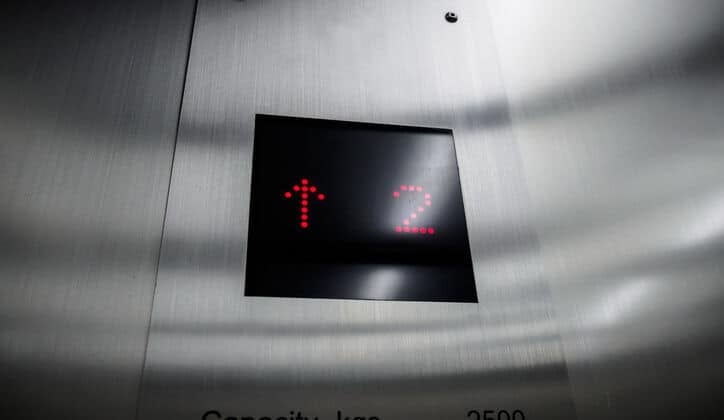
How fast do elevators move? Most people ride elevators every day without giving much thought as to how they work, including how fast they travel. But elevator speed plays an important role in both efficiency and passenger comfort, influencing everything from wait times in high-rise buildings to how smooth the ride feels between floors.
Key Takeaways
- Elevator speed varies widely depending on building height, elevator type and intended use, ranging from under 50 fpm in residential settings to 2,000+ fpm in high-rise buildings.
- There is no single “standard” elevator speed. Engineers select speeds based on performance needs, traffic demand and building design.
- Elevator type (hydraulic, traction, gearless, MRL, and so on) is one of the biggest factors influencing maximum achievable speed.
- Safety systems are built into all elevators, meaning higher speeds are carefully controlled through acceleration, braking and overspeed protection technologies.
- Speed has a direct impact on user experience, affecting wait times, ride comfort, noise levels and overall building efficiency.
- Choosing the right elevator speed is a collaborative decision between building owners, engineers and manufacturers, and must comply with all applicable codes and constraints.
What’s The Average Speed of an Elevator?
What Factors Affect Elevator Speed?
What Are the Different Types of Elevators & Their Speeds?
What Are Elevator Speed Safety Considerations?
How Does Elevator Speed Affect User Experience?
Can Elevator Speed Be Adjusted?
Factors To Consider When Choosing Elevator Speed
Questions About Elevator Speed?
What’s the Average Speed of an Elevator?
The average speed of an elevator depends on the building’s height, the type of elevator system and the intended use, but most fall somewhere between 100 feet per minute (fpm) in low-rise buildings and 500–2,000 fpm in high-rises.
What Factors Affect Elevator Speed?
There are many factors that affect elevator speed, including mechanical systems, building height, elevator type and expected occupancy, among others. Some of the most important considerations include:
- Building height: Taller buildings typically require faster elevators to reduce travel time between floors.
- Elevator type: Passenger, freight and residential elevators each have different speed requirements based on their intended use.
- Mechanical systems: The drive system, motor and other components influence how quickly an elevator can safely accelerate, travel and stop.
- Expected occupancy and traffic: Buildings with higher passenger volumes, such as office towers or hospitals, often require faster elevators to reduce wait times and improve traffic flow.
- Safety and ride quality: Elevators must accelerate and decelerate smoothly to provide a comfortable ride while meeting safety standards.
- Building design and shaft constraints: The available shaft space, structural design and other building characteristics can affect the type of elevator system and its maximum speed.
What Are the Different Types of Elevators & Their Speeds?
An elevator’s speed is largely determined by the system driving it. Here’s how the main types compare:
| Elevator Type | How It Works | Best For | Typical Speed |
| Hydraulic | Uses a piston and fluid system to raise and lower the elevator car | Low-rise buildings (up to 5–6 stories) | Up to 150 fpm |
| Geared traction | Uses an electric motor with a gearbox, cables (hoist ropes) and a counterweight | Low-to-mid-rise buildings | 200–500 fpm |
| Gearless traction | Uses a direct-drive electric motor with hoist ropes and a counterweight, eliminating the gearbox for higher speeds and efficiency | High-rise buildings and skyscrapers | 500–2,000+ fpm |
| Machine-room-less (MRL) | Uses a compact traction system with the motor located in the hoistway, eliminating the need for a separate machine room | Low- to mid-rise buildings with limited space | 200–500 fpm (some models can be faster) |
| Home/residential | Uses hydraulic, winding drum or traction systems designed for smooth, quiet operation rather than speed | Private residences | 20–40 fpm (typically under 50 fpm) |
What Are Elevator Speed Safety Considerations?
Elevator speed is carefully regulated to prioritize passenger safety over maximum performance. Modern elevators are designed with multiple systems that allow them to travel efficiently while maintaining a smooth, controlled ride. Important safety considerations include:
- Acceleration and deceleration: Elevators gradually speed up and slow down to minimize discomfort, reduce stress on mechanical components and prevent sudden movements that could pose a safety risk to passengers
- Braking systems: Multiple braking mechanisms ensure the elevator can stop safely and accurately at each floor, even during an emergency.
- Overspeed protection: Elevators include safety devices, such as governors, that detect excessive speed and automatically engage emergency brakes if necessary.
- Load capacity: Carrying more passengers or cargo affects an elevator’s performance. Elevators are engineered to operate safely within their rated capacity, regardless of speed.
- Regular maintenance and inspections: Routine inspections, testing and preventative maintenance ensure elevators continue operating safely and at their intended speeds.
- Building codes and industry standards: Elevator speeds and safety features must comply with applicable codes and standards, which vary based on building type, height and location.
How Does Elevator Speed Affect User Experience?
Elevator speed influences several aspects of the passenger experience, from efficiency and comfort to how well a building handles traffic during busy periods. Key factors include:
- Wait and travel times: Faster elevators reduce the time passengers spend waiting for and riding between floors, improving efficiency in busy buildings.
- Ride comfort: Smooth acceleration and deceleration help create a comfortable ride by preventing sudden starts and stops.
- Ear pressure: In very tall buildings, rapid changes in elevation can cause temporary ear pressure, similar to what passengers may experience during air travel. Many high-speed elevators are designed to minimize this effect.
- Noise and vibration: Modern elevator systems use advanced motors, controls and insulation to reduce noise and vibration, creating a quieter, smoother ride.
- Traffic flow: In office buildings, hospitals and other high-occupancy facilities, appropriately sized and adequately fast elevators can reduce congestion during peak usage times.
Can Elevator Speed Be Adjusted?
An elevator’s rated speed usually doesn’t change once it’s installed. Speed is carefully set during the design and installation process based on the building’s height, usage patterns and system type, and it’s built around that target from the start.
What can change over time is how efficiently the elevator operates within that rated speed. Here are some considerations to keep in mind:
- Initial design settings: Engineers select a target speed that balances efficiency, comfort and safety based on the building’s specific needs.
- Controller programming: Modern elevators use advanced control systems that regulate acceleration and deceleration. These settings can be fine-tuned during commissioning or upgrades, though the rated top speed itself typically stays the same.
- Modernization and upgrades: Modernizing an elevator can improve leveling accuracy, door open and close times and other factors that reduce overall passenger wait times, even without changing the rated speed.
- Major speed changes: Actually increasing an elevator’s rated speed, for example from 150 to 200 FPM, requires major engineering and equipment changes and may involve changes to the building structure itself. This is a significant undertaking that goes beyond a simple re-tuning.
- Safety limitations: Any adjustments, whether to rated speed or performance settings, must remain within strict building codes and manufacturer specifications.
Factors To Consider When Choosing Elevator Speed
Building height, floor count, traffic volume, budget and building codes are all factors to consider when choosing elevator speed. It’s important to mention that elevator speed is a collaborative decision between the building owner/developer, elevator manufacturer and engineers. It must also comply with building codes and technical constraints.
While manufacturers offer a range of elevator systems with different speed capabilities, the final selection depends on how the building will be used and what is technically feasible within the structure.
Here are the main factors that determine the appropriate elevator speed for a building:
- Building height and floor count: Taller buildings typically require faster elevators.
- Traffic volume: High-occupancy buildings need faster systems to handle peak demand.
- Building purpose: Residential buildings prioritize comfort and efficiency, while commercial facilities typically prioritize throughput.
- Elevator type and design system: Hydraulic, traction, geared and gearless systems each have inherent speed limits that influence what’s possible.
- Budget and lifecycle costs: Faster, high-performance elevator systems generally come with higher upfront and maintenance costs.
- Building codes and safety standards: Local regulations may set limits or requirements that affect allowable speed and system design.
Questions About Elevator Speed?
Whether you’re planning a new building or reevaluating an existing system, choosing the right elevator speed is an important choice that affects everything from budget and building performance to passenger experience and long-term maintenance needs. At Stanley Elevator, we help guide owners, developers and facility teams through these decisions with clear expertise and reliable support. If you have questions or are ready to get started, reach out today for a free elevator consultation.
FAQs
Are faster elevators more dangerous?
No, faster elevators are not inherently more dangerous. Modern systems are engineered with multiple safety features, such as speed governors, braking systems and sensors. These regulate performance and ensure safe operation regardless of speed.
Do elevators get slower over time?
Elevators do not typically slow down in terms of design speed, but poorly maintained elevators may feel slower due to wear, outdated components or control system inefficiencies. Regular maintenance helps ensure they continue operating at their intended speed.
Do building codes require a minimum elevator speed?
Building codes generally do not set a minimum elevator speed. Instead, they establish safety standards and performance requirements, while speed is determined by building design, usage and system type.
How does elevator speed affect energy costs?
Faster elevators use more energy during operation due to higher motor power demands, but they may also provide efficiency by reducing wait and travel times. Overall energy impact depends on usage patterns, system design and modern efficiency features.
Can you retrofit an older building with a faster elevator?
Sometimes an older building can be retrofitted with a faster elevator, but it depends on the building’s structure, shaft size and electrical capacity. In many cases, modernization can improve performance and reduce wait times, but significant speed increases may require major system upgrades or a full replacement.