Elevator Cab Interior Updates: 8 Ways to Modernize Your Elevator

When it comes to elevators, most people focus on the mechanics, and for good reason. But there’s one part that often gets overlooked: the interior.
The interior of your elevator cab shows customers, visitors and tenants that you care about more than just function. It demonstrates that you’ve invested in a space that’s safe, attractive and consistent with the quality of the rest of your building.
6 Benefits of Elevator Interior Modernization
8 Signs It’s Time to Modernize Your Elevator Interior
Different Types of Elevator Modernization
8 Ways to Modernize Your Elevator’s Interior
Factors That Affect Elevator Modernization
The Elevator Modernization Process
Tips for Choosing the Right Modernization Partner
6 Benefits of Elevator Interior Modernization
There are many reasons beyond aesthetics to invest in elevator interior modernization, including:
- Improved safety: Features such as slip-resistant flooring, code-compliant handrails, shatter-resistant mirrors and modern lighting not only enhance the cab’s appearance but also serve as important safety upgrades.
- Enhanced compliance and improved accessibility features: Updating the elevator cab interior can help you comply with building codes and the Americans with Disabilities Act (ADA). Incorporate tactile buttons, audible signals and adequate wheelchair space to meet ADA guidelines and make sure your elevator is accessible to all users.
- Easier maintenance: New materials such as rubber tile flooring are often more durable and easier to clean, helping maintain a polished, professional appearance with less effort.
- Strong first impression: The interior of your elevator is an early opportunity to impress customers and visitors. Modern lighting, sleek interiors, updated control panels and contemporary call buttons all contribute to a more polished and professional appearance.
- Replacing outdated materials: If original materials, especially old inefficient lighting or fixtures, are no longer manufactured, updating the interior becomes essential for long-term maintenance and repairs.
- Increased building value: Upgrading your elevator’s interior is a smart way to enhance your property’s marketability and worth.
8 Signs It’s Time to Modernize Your Cab
Not sure if it’s time to modernize your elevator? Sometimes, the choice is made for you. Here are some common signs it might be time for an interior upgrade.
- Non-compliant safety features: If your elevator cab interior doesn’t meet code requirements, it may fail a safety inspection, which means certain updates are a necessity, not just a nice-to-have.
- Outdated design and/or controls: An aging cab interior or old-fashioned control panel can give the impression your elevator is outdated, even if it’s in working order.
- Age of the elevator: Older elevators often require modernization to maintain safety, reliability and aesthetics.
- Difficulty finding replacement parts: Some components or materials may be obsolete or hard to source, making an upgrade essential for ongoing maintenance.
- Inaccessible for people with disabilities: An elevator interior that doesn’t meet accessibility standards can limit usability and violate regulations. It can also lead to potential legal issues.
- Outdated or unreliable communication systems: Old or malfunctioning emergency phones and intercoms can compromise passenger safety and violate safety code requirements.
- Increased tenant and/or visitor complaints: If you’re hearing more complaints from tenants or visitors, it’s a clear sign to evaluate the elevator interior.
- Lack of modern technology or features: Upgrading certain aspects of your elevator’s interior can increase convenience, efficiency and overall user satisfaction.
Different Types of Elevator Modernization Updates for Interiors
When it comes to interior elevator modernization, there are basically two types: safety and aesthetic. Sometimes you may be updating solely for safety or aesthetics, but often it’s a combination of both. Here’s how they break down:
- Safety modernizations involve updating or replacing essential safety features such as flooring, handrails and communication systems.
- Aesthetic modernizations focus on improving the elevator’s visual appeal, including new walls, ceilings, flooring, LED lighting, updated control panels and finishes.
8 Ways to Modernize Your Elevator’s Interior
Modernizing an elevator cab involves a combination of safety, style and technology upgrades designed to transform your elevator into a safer, sleeker and more enjoyable space. Here are nine ways you can bring your elevator interior up to speed:
- Upgrade flooring: Replace worn or outdated flooring with durable, slip-resistant materials such as luxury vinyl tile or rubber. The most important consideration when choosing elevator flooring is whether it can withstand heavy foot traffic. Popular materials include vinyl, rubber, tile, and carpet.
- Modernize door aesthetics: Stainless steel, bronze, mirrored finishes or custom-designed skins can instantly elevate the look of your elevator doors. These upgrades not only enhance visual appeal but can also help your elevator match the overall style and branding of your building.
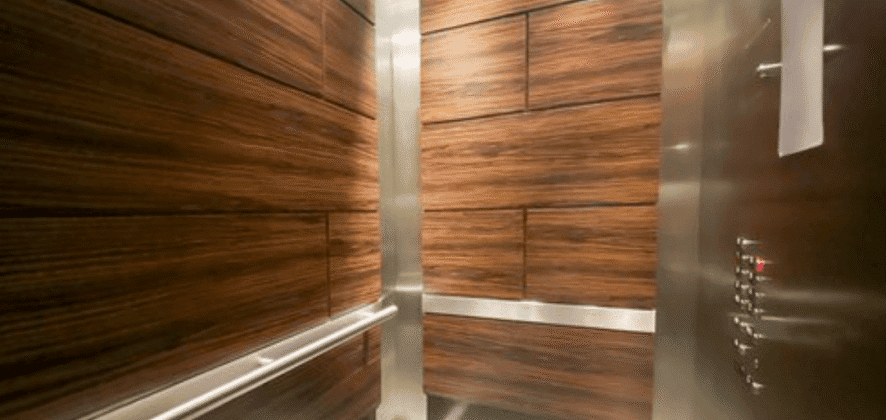
- Install new wall panels: Swap outdated wall panels for modern finishes such as stainless steel, bronze or translucent stone. You can also choose from warm wood tones; natural stone options such as granite, marble or onyx; or even sleek glass and mirrors. Plastic laminates are another versatile choice, available in woodgrain, solid colors and patterned styles to match your building’s aesthetic.
- Consider pads: Add protective elevator pads to prevent damage to your newly upgraded walls, especially in high-traffic or freight-use buildings.
- Improve lighting: Upgrade outdated incandescent or fluorescent lighting to energy-efficient LED systems. Options such as recessed panels, downlights or vertical light columns can brighten the space and create a modern, welcoming feel.
- Update control panels and call buttons: Swap outdated controls for sleek, backlit digital panels that are easy to read and fully code-compliant. Choose button shapes, colors and layouts that align with your building’s aesthetic while ensuring accessibility and usability.
- Add or upgrade safety features: Enhance safety and code compliance with features such as handrails, shatter-resistant mirrors and upgraded emergency communication systems. Handrails and bumpers are available in materials such as stainless steel, wood and bronze and come in a variety of styles to suit both function and aesthetic.
- Update or redesign the ceiling: Explore modern ceiling designs with integrated lighting or unique materials to add a sophisticated finishing touch. While suspended plastic laminate or mirrored stainless steel are common options, stain bronze, mirror bronze and aluminum frames can achieve a more elegant look.
Factors That Affect Interior Elevator Modernization
Every interior modernization project is unique, but there are some common factors that influence the overall cost and duration of the project.
- Weight capacity: The elevator’s load requirements can impact the types of materials and equipment needed for the upgrade.
- Age of the elevator: Older elevators may require more involved updates to meet safety codes and standards.
- Current condition: Does the elevator cab need a few small upgrades or a major overhaul? Its existing state will determine the scope of necessary repairs and replacements.
- Code and safety compliance: Any type of modernization must meet current building codes and safety regulations.
- Building type and usage: The elevator’s location and purpose (e.g., residential, commercial, healthcare) influences design choices and required features.
- Energy-efficiency goals: Modernizing with energy-saving materials and systems can reduce operating costs but may require an additional upfront investment.
- Location and logistics: The elevator’s placement and the accessibility of equipment can impact the complexity, duration and cost.
The Elevator Modernization Process
The process for modernizing your elevator’s interior typically follows the same basic steps, though some details may vary depending on the project’s scope and building requirements
- Conduct initial assessment and evaluation: This first step involves inspecting the current elevator systems to identify any issues and recommend appropriate modernization upgrades.
- Develop proposal and plan: Next, the elevator modernization company prepares a detailed proposal outlining the timeline, cost estimates and recommended upgrades.
- Submit plans and review code requirements: The modernization company files the necessary permits and ensures the project complies with updated safety, ADA and fire codes.
- Begin modernization work: During this phase, the company removes any old or unwanted components or materials. Depending on the length and scope of the project, work may also be completed in phases.
- Perform final testing and inspection: Once all updates or repairs are complete, the elevator modernization company will test the elevator system for performance, safety and code compliance.
- Recommission and handover: Once the upgrades are complete, the elevator is returned to service and should follow a regular maintenance schedule to ensure long-term performance and safety.
Tips for Choosing the Right Modernization Partner
If you’re in the market for an elevator modernization partner, there are some important considerations to keep in mind to ensure your system is not only visually appealing but also compliant, safe and built to last. Here are some things to look for:
- Proven experience and proper certifications: Look for companies with a strong track record in commercial elevator modernization. Make sure they meet all local and national certification requirements to ensure safety and compliance.
- Satisfied customers: Check testimonials and case studies to see how the company has performed on past projects and how satisfied their previous clients were with the results.
- Detailed quotes: Request comprehensive quotes that break down costs, timelines and included services, and then compare them to ensure you’re getting the best value.
- Design support and pre-planning: Look for a company that offers design sessions, presentation boards, flooring samples and cab drawings before the project begins. These tools can guide the selection process and ensure you’re confident in your choices before any work starts.
- Ongoing maintenance support: Choose a company that offers post-modernization maintenance plans to protect your investment and keep your elevator running smoothly.
Looking to Modernize Your Elevator’s Interior?
Whether you’re still exploring your options or ready to get started, our team is here to help. If you have questions or need a trusted partner to complete your interior modernization efficiently and professionally, reach out to us. With Stanley Elevator, you’ll receive expert guidance, clear communication and dependable support from start to finish. Contact us today for a free elevator modernization consultation.